Does Owning Things Make You Happy?
It’s a question most of us have asked at some point – sometimes consciously, sometimes not. We work hard, we save, and we look forward to buying something new: a car, a phone, a piece of furniture, a home upgrade. And when we finally get it, there’s often a genuine lift in how we feel.
So yes, owning things can make you happy – at least for a while.
But there’s a catch. That boost in happiness is often short-lived, and usually not as strong as we expected it would be.
The Excitement of Something New
Think about the last time you bought something significant.
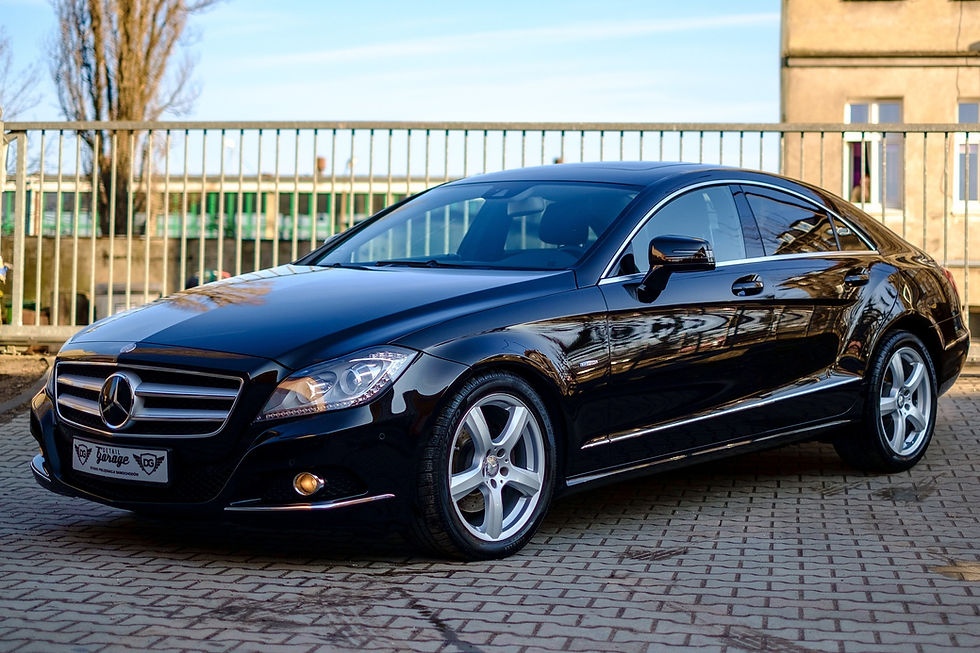
Perhaps it was a new car. You may have spent months saving, researching, imagining what it would feel like to drive it. The day arrives, and it feels exciting – maybe even a milestone. You sit in it, notice the smell, the smoothness, the quiet engine. It feels like an upgrade, not just in transport, but in life.
But what happens next?
A few weeks later, that same car becomes… just your car.
The drive to work feels much the same as it did before. Your mind wanders as it always has – thinking about the day ahead, what to cook for dinner, something someone said years ago. The car fades into the background of your awareness.
The key point is: We quickly adapt to what we own.
Why the Feeling Doesn’t Last
There’s a psychological process often referred to as “hedonic adaptation” – the tendency for us to return to a relatively stable level of happiness despite positive or negative changes.
In simple terms, we get used to things.
What once felt new and exciting becomes normal. What once felt like a luxury becomes expected. And so, the emotional boost fades.
This doesn’t mean there was no value in the purchase – it just means that the happiness it provides is often temporary and limited.
When Things Do Make a Big Difference
That said, not all purchases are equal.
There are times when owning something can have a lasting and meaningful impact on your wellbeing – particularly when it significantly improves your quality of life.
For example, imagine the difference between washing clothes by hand and having a basic washing machine.
Washing by hand is time-consuming, physically tiring, and restrictive. It takes hours, and it limits what else you can do with your time and energy. Compare that to a simple, functional washing machine. You load it, press a button, and it does the work for you. That’s not just a convenience – it’s a shift in daily life. It frees up time, reduces physical strain, and creates space for other activities. The benefit is ongoing and meaningful.
The Law of Diminishing Returns
But what happens if you go from a basic washing machine to a high-end, expensive one?
In reality, not much changes.
You still load it, press a button, and wait. The core experience remains the same. The difference might be in speed, noise level, or additional features – but these tend to have a much smaller impact on your overall happiness.
This is often described as the law of diminishing returns.
The first improvement (from no washing machine to having one) makes a big difference. The second improvement (from a basic one to a luxury model) makes far less difference.
And yet, we often spend disproportionate amounts of time and money chasing those smaller gains.
The Windfall Problem
Imagine being given a lump sum of money – say £50,000.
Many people would instinctively think about making a large, one-off purchase: a dream car, a house extension, perhaps even a boat. These purchases can feel exciting and meaningful in the moment.
But over time, they tend to follow the same pattern:
Initial excitement
Gradual adaptation
Eventual normalisation
What remains is often not the feeling, but the memory – and occasionally, a comment from someone else noticing it.
A Different Approach to Happiness
So if big purchases don’t create lasting happiness, what does?
One alternative is to think less about what you own, and more about how you live.
Instead of spending a large amount of money in one go, consider spreading it over time on smaller, repeated experiences. For example:
Going out for meals regularly
Attending the theatre or live events
Taking short breaks or weekends away
Engaging in hobbies or activities you enjoy
These may seem like “small” things, but they have a different psychological effect. Each one creates a new experience, a new memory, and a new emotional boost. And, because they are repeated, the positive effect is also repeated.
Why Experiences Matter More
Experiences tend to have a deeper and more lasting impact on wellbeing for several reasons:
They are less prone to comparison: material possessions are often compared – who has the better car, the bigger house and so on. Experiences are more personal and less easily measured.
They create memories: experiences become part of your story. You remember them, reflect on them, and often share them with others.
They involve connection: many experiences are shared with others, strengthening relationships and reducing isolation.
They resist adaptation: while we get used to objects, each experience feels slightly different, keeping it fresh.
A Counselling Perspective
From a counselling perspective, the question isn’t just “what makes us happy?” but also “what sustains our wellbeing over time?”
Material possessions can certainly play a role – especially when they meet genuine needs or reduce stress in daily life. But when they become the primary way we seek happiness, they often fall short. This can lead to a cycle of:
Wanting something new
Achieving it
Feeling a brief uplift
Then wanting something else
Over time, this can feel exhausting and unfulfilling.
Exploring what genuinely matters to you – whether that’s connection, creativity, rest, or personal growth – can lead to more sustainable wellbeing.
Finding Balance
This isn’t about rejecting material things altogether. It’s about using them wisely.
Ask yourself:
Will this purchase genuinely improve my daily life?
How long is the benefit likely to last?
Am I buying this for myself, or to meet an expectation?
Could this money be used in a way that creates ongoing positive experiences?
These questions can help bring awareness to your choices.
Final Thoughts
Owning things can bring happiness – but often less than we expect, and for a shorter time than we hope.
The more lasting sources of wellbeing tend to come from:
Meaningful experiences
Connection with others
A sense of purpose and balance
Money can support these things – but it’s not just about how much you have. It’s about how you use it.
And sometimes, the smallest, most regular moments of enjoyment can have the greatest impact on how we feel over time.